Contact us
Leave Your Message
0%

In today’s pretty competitive manufacturing world, finding the right components really matters. Custom Cold Forged Products are super important when it comes to making durable and precise parts that fit all sorts of specific needs. As John Smith, an expert at Precision Forging Solutions, puts it, “The right Cold Forged Components can seriously improve how a product performs.”

These products are tailored to meet exact requirements, offering perks like better strength and lighter weight. But here’s the thing— not every custom cold forged solution is gonna be perfect for every business. You really need to carefully check your exact specs before jumping in. And let’s be honest, customizing these parts often takes a good mix of know-how and creativity, which can sometimes be a bit tricky.

Sussing out the best sources can feel pretty overwhelming. Picking a reliable supplier can actually make or break your entire production line. Companies like Metal Forming Inc. are really setting the bar in this game. Still, zeroing in on the best Custom Cold Forged Products usually means doing some serious research and maybe even trying a few different options. The key is to strike that sweet spot between quality and cost. Just keep in mind, the choices you make here can really shift your business's future — so it’s worth giving it some serious thought.
Best Custom Cold Forged Products for Your Business Needs?

Understanding Cold Forging: A Comprehensive Overview of the Process

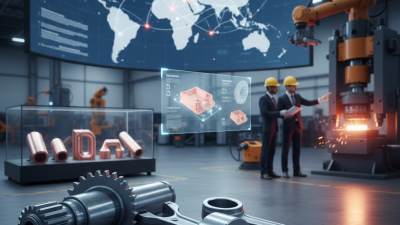
Cold forging is a manufacturing process that shapes metals under high pressure. It changes the material’s shape without affecting its properties. This technique offers several advantages for businesses. For instance, it enhances strength and durability. The process involves the use of specialized machinery and tools.

Understanding cold forging requires knowledge of the stages involved. Initially, a metal blank is placed in a die. The die enforces the desired shape as pressure is applied. Temperature remains below the melting point, preserving the metal's integrity. This method allows for precise dimensions and fine surface finishes. However, it demands skilled labor and adequate equipment.

One common issue arises from inadequate preparation of the metal. Impurities can lead to defects. Proper quality control measures are essential. They ensure consistency and reliability in the final product. Businesses must continually assess their cold forging practices. This reflection helps them adopt better techniques for improved efficiency and quality.

The Benefits of Custom Cold Forged Products for Various Industries

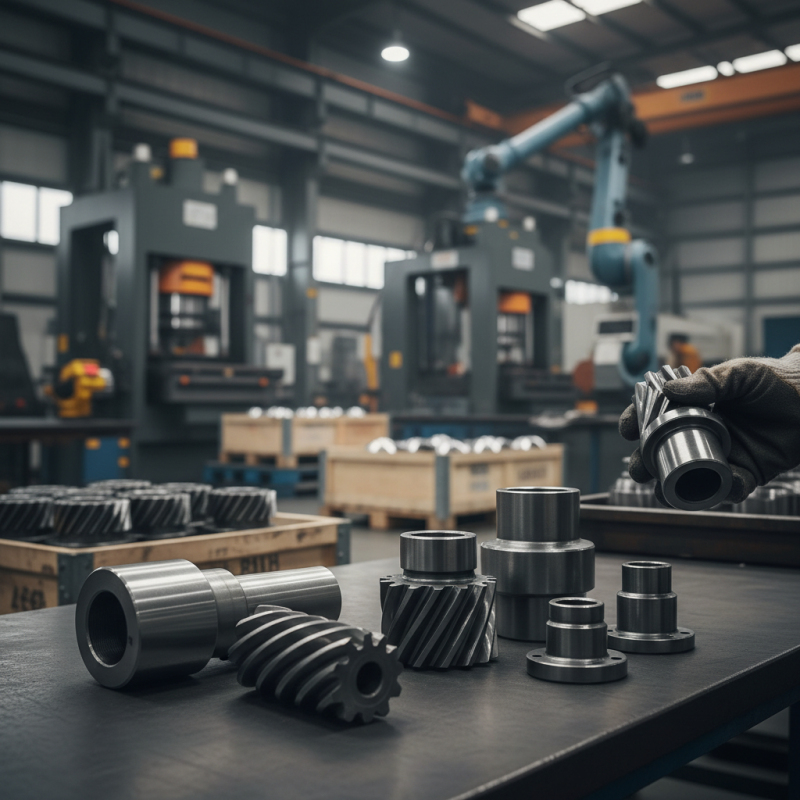
Best Custom Cold Forged Products for Your Business Needs?

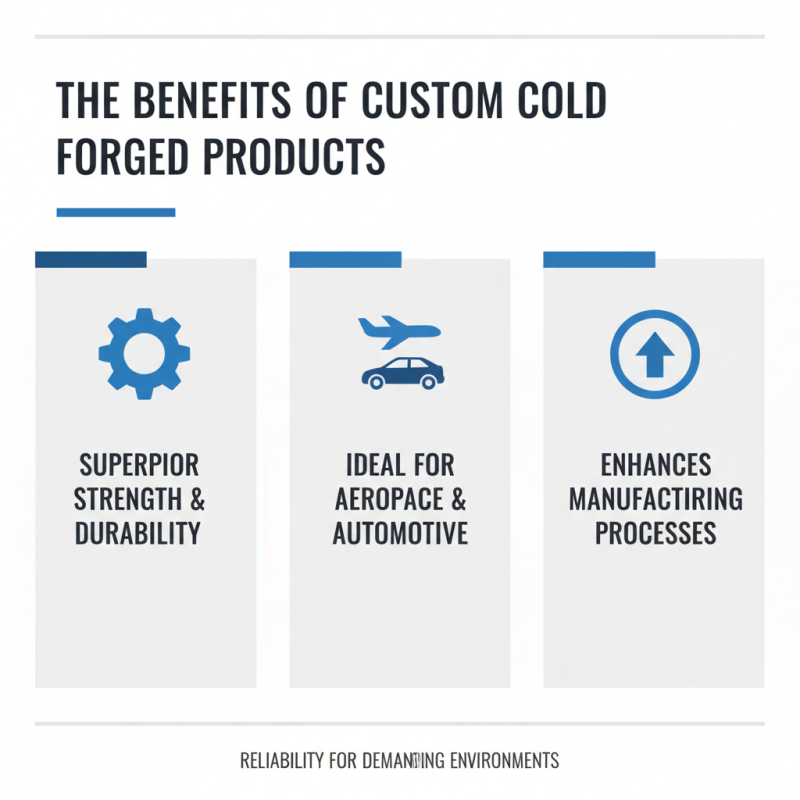
Custom cold forged products have become a preferred choice across various industries. Their distinct advantages enhance manufacturing processes significantly. Cold forging provides superior strength and durability compared to other fabrication methods. This makes these products ideal for environments that demand reliability, like Aerospace and automotive sectors.

One common benefit is the material efficiency. Cold forging can produce intricate shapes without excess scrap. This leads to lower costs and environmental impact. Moreover, the tight tolerances achieved can reduce the need for additional machining. Businesses appreciate how this method aligns with their sustainability goals.

Tips: Consider the specific demands of your industry. Choose materials that suit your operational environment. Quality is paramount; always analyze suppliers for their expertise. A small oversight can lead to larger issues later on. Evaluate the trade-offs between cost and quality. Investing in reliable cold forged products often pays off in the long run.

Key Considerations When Choosing Cold Forged Products for Your Business

When choosing cold forged products for your business, it is essential to consider specific factors. Assessing the materials used in cold forging can considerably impact durability and performance. Understanding the application of Toys and Hobby Products will help align your choices with industry standards.

Cost is another significant factor. While premium products often promise better performance, evaluating whether the investment is justified for your business needs is vital. Balancing quality against budget constraints can be challenging.

Supplier reliability also deserves attention. Building a relationship with vendors who have a track record of delivering quality products can save time and reduce risk. Investigating their production capabilities is crucial. This ensures they can meet your demand consistently and efficiently. Relying on a single supplier may not always serve your best interests. Exploring multiple sources might provide leverage in negotiations and more options.

Product Distribution of Custom Cold Forged Products

This chart represents the demand distribution for various custom cold forged products relevant to business needs. Understanding the demand in different sectors can help guide decisions when selecting cold forged products for your specific applications.

Top Applications of Cold Forged Products in Modern Manufacturing

Cold forging is a critical process in modern manufacturing. It involves shaping metal at room temperature, which leads to stronger components. This method is efficient and cost-effective. As industries evolve, the applications of cold forged products continue to expand.

One prominent application of cold forged products is in the automotive sector. Fasteners, gears, and various intricate parts are often cold forged. This technique enhances strength and durability. These components withstand high stress and fatigue. Another application is in the aerospace industry. Precision parts that require tight tolerances benefit immensely from cold forging. The process creates lightweight, robust components essential for flight safety.

Cold forging is also finding its way into electronics. Connectors and housings are commonly produced this way. The process allows for complex designs without compromising the material’s integrity. While the benefits are clear, challenges remain. Ensuring uniform quality across products can be tricky. Variations in temperature and pressure may affect performance. Manufacturers must adapt to these challenges to fully leverage cold forging’s potential.

Evaluating Quality: Standards for Custom Cold Forged Products

When evaluating custom cold forged products, it's essential to consider quality standards. These standards ensure that the products meet specific performance metrics and durability expectations. A reliable supplier will adhere to recognized industry standards, such as ASTM or ISO certifications. These certifications demonstrate their commitment to quality control and manufacturing processes.

Tips: Always ask for proof of certifications. This can save you from potential headaches down the line. Look for suppliers with a transparent quality assurance process.

Understanding material properties is crucial. Different alloys offer unique strength and flexibility. Consider your business needs carefully. If you produce castings for Toys and Hobby Products, lightweight yet durable materials may be necessary. Using the right materials can enhance product performance significantly.

Tips: Conduct material tests before committing to large orders. Testing can help identify any discrepancies that might affect your final product's quality. Communicate closely with your supplier to ensure that the selected material aligns with your project's specifications.

Best Custom Cold Forged Products for Your Business Needs? - Evaluating Quality: Standards for Custom Cold Forged Products

Product Type Material Used Standard Compliance Typical Applications Lead Time Cost Range
Bolts High-Strength Steel ISO 898-1 Construction, Automotive 4-6 Weeks $0.10 - $1.00
Nuts Alloy Steel ASTM F594 Machinery, Appliances 3-5 Weeks $0.05 - $0.50
Gear Components Carbon Steel AGMA Standards Automotive, Robotics 6-8 Weeks $5.00 - $20.00
Shims Stainless Steel ASTM A240 Construction, Manufacturing 2-4 Weeks $0.20 - $2.00
Collars Aluminum None Required Industrial Equipment 1-3 Weeks $0.30 - $3.00

Innovative Trends in Cold Forging Technology and Design

Cold forging technology is evolving rapidly, reshaping industries with its innovative design capabilities. A recent report by the Metal Forming Industry Association highlights a 12% increase in the adoption of cold forging techniques over the last two years. This trend reflects the industry's shift towards durability and precision. Notably, cold forged products can achieve tighter tolerances, making them ideal for applications ranging from automotive components to die castings for Toys and Hobby Products.

One area where cold forging shows immense potential is in material efficiency. Cold forging minimizes waste by utilizing nearly 100% of the raw material. Engineers are exploring advanced alloys and coatings to enhance performance further. However, achieving optimal results requires careful consideration of material selection and process parameters. This necessity for precision creates a learning curve that some manufacturers find challenging.

Furthermore, automation is becoming integral to the cold forging process. The rise of AI and machine learning is streamlining operations and reducing human error. Yet, integrating these technologies poses challenges, including the need for skilled workforce training. Industry insiders must remain vigilant about evolving technology to fully realize its benefits in production efficiency and quality enhancement.

How to Find a Reliable Supplier for Custom Cold Forged Solutions

Finding a reliable supplier for custom cold forged solutions can be challenging. The cold forging industry is growing. The global cold forging market is projected to reach $38 billion by 2026. This growth is driven by demand in sectors like automotive and aerospace. Choosing the right supplier ensures your cold forged parts meet industry standards.


When searching for suppliers, review their certifications and experience. Reliable suppliers often have ISO certifications. These assure quality and compliance in manufacturing processes. Look into their previous projects and customer feedback. A strong portfolio indicates expertise in cold forgings. A supplier’s location may impact lead times, so consider that in your research.


Transparency in communication is vital. Discuss your specific needs and timelines with potential suppliers. Notice the responsiveness to your inquiries. Slow replies can signal poor customer service. Assess their ability to handle revisions during the design phase. It’s common for changes to arise, and a flexible supplier can be invaluable. Remember, selecting a supplier for your cold forged parts is a strategic decision that requires careful consideration and ongoing evaluation.

Exploring the Advantages and Applications of Hot-Forged Pole Line Fasteners in Electrical Infrastructure

Hot-forged pole line fasteners play a crucial role in the stability and reliability of electrical infrastructure. These components are essential for anchoring and supporting electrical wires and poles, ensuring that utility networks remain secure and structurally sound. The hot-forging process enhances the mechanical properties of these fasteners, providing exceptional durability and tensile strength. According to industry studies, hot-forged fasteners are known to withstand extreme outdoor conditions, making them ideal for use in utility installations where environmental stressors are a concern.

The advantages of using hot-forged pole line fasteners are underscored by their ability to maintain structural integrity even in harsh climates. Reports have shown that materials used in these fasteners are engineered to resist the elements, providing crucial protection against factors such as severe wind, heavy rain, and temperature fluctuations. This is particularly important in regions prone to severe weather, where utility disruptions can have significant consequences. The tensile strength of the fasteners ensures that they do not fail under stress, thus contributing to the longevity and safety of the electrical infrastructure.

In addition to their strength and durability, hot-forged pole line fasteners offer cost-effectiveness in the long term. By reducing the frequency of repairs and replacements due to their enhanced reliability, these fasteners can lead to decreased operational costs for utility companies. Furthermore, their ease of installation and maintenance contributes to improved project timelines and efficiency. As the demand for robust electrical infrastructure continues to grow, the importance of utilizing reliable components such as hot-forged pole line fasteners will only increase.

FAQS

: What is cold forging?

: Cold forging shapes metals under high pressure without changing their properties. It maintains the material's integrity.

Why is cold forging beneficial?

It enhances strength and durability, making it ideal for various industries like automotive and aerospace.

What are typical applications of cold forged products?

Common applications include fasteners, gears, and precision parts in sectors like automotive, aerospace, and electronics.

What challenges can arise in cold forging?

Impurities and inadequate preparation can lead to defects. Ensuring uniform quality is crucial for success.

How can businesses ensure quality in cold forging?

Proper quality control measures are essential. Continuous assessment of practices helps improve efficiency and product quality.

What should I consider when choosing a cold forging supplier?

Review certifications, experience, and customer feedback. Transparency in communication is also vital for effective collaboration.

Why is supplier location important?

A supplier's location can affect lead times, which may impact your production schedule.

How should I handle revisions in design with suppliers?

A flexible supplier is valuable. Discuss your needs and assess their ability to adapt to changes.

What should I look for in terms of supplier responsiveness?

Quick replies signal good customer service. Slow responses could indicate potential issues in collaboration.

How can I evaluate a supplier's expertise?

Check their portfolio and previous projects. A strong track record in cold forging indicates relevant experience.

Conclusion

Custom Cold Forged Products have become essential in various industries due to their unique manufacturing process that enhances material properties and precision. This article provides a comprehensive overview of cold forging, highlighting its numerous benefits, including improved strength, reduced waste, and cost-effectiveness. It emphasizes the importance of understanding key considerations when selecting custom solutions, such as design requirements and application suitability.

Moreover, the article explores the top applications of cold forged products in modern manufacturing, evaluates quality standards to ensure reliability, and discusses innovative trends in technology and design that are shaping the future of cold forging. To successfully leverage these advancements, businesses are advised on how to identify and partner with reliable suppliers for their custom cold forged needs.
Isabella

Isabella

Isabella is a dedicated marketing professional at Shaanxi Brilliant Machinery Co., Ltd., where she plays a pivotal role in promoting the company’s commitment to manufacturing excellence and sustainability in the mechanical parts industry. With a deep understanding of the technical aspects of the......
Previous Top Precision Cold Forgings for Global Buyers Seeking Quality?