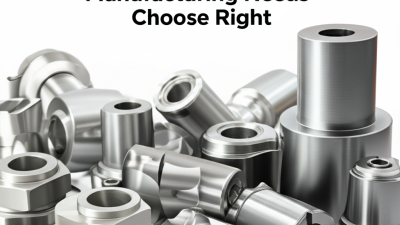
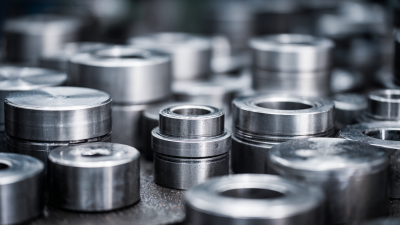
Picking the right Cold Forged Components is pretty important if you want your manufacturing process to run smoothly. These parts really make a big difference when it comes to how efficient, durable, and overall effective your mechanical systems are. At Shaanxi Brilliant Machinery Co., Ltd., we totally get that choosing the right components can be sorta overwhelming with so many options out there. That’s why we’re all about helping our customers make smart decisions — we believe that with a bit of guidance, you can avoid the hassle and find what’s best for your needs.
We focus on quality and always look for ways to improve, so we can set higher industry standards and make sure our clients get components that fit perfectly with what they’re trying to achieve. In this blog, I’ll walk you through some of the key things to think about when you're picking Cold Forged Components. Hopefully, this helps you make smarter choices that can boost your manufacturing game.
Understanding Cold Forging: Key Benefits for Manufacturing
Cold forging is actually a pretty efficient way to make durable parts, and it comes with some pretty nice perks. Basically, by squishing metal at room temperature—yeah, no heating needed—manufacturers can really boost the material’s properties. I read in the International Journal of Advanced Manufacturing Technology that cold-forged parts tend to be about 30% to 50% stronger than those Hot-forged ones. That kind of strength boost means the parts perform better and tend to last longer, so you’re not constantly replacing them, which is a win for everyone.
If you're thinking about choosing cold forged components, it’s a good idea to look at what mechanical specs your project needs. For example, parts made from high-carbon steel often have great tensile strength, making them perfect for tough environments like in cars or aerospace stuff.
Another cool thing about cold forging is that it’s capable of shaping pretty complex designs with tight tolerances—all while wasting less material. In fact, according to the Manufacturing Institute, this process can make use of up to 90% of the raw material, which is pretty impressive. Plus, it’s faster, which means you get your parts quicker and the whole production process runs more smoothly.
Oh, and here’s a tip—try to work with suppliers who use high-tech tools like CAD and simulation software. That way, you’ll get cold-forged parts just right for your needs, with precision and less guesswork.
Identifying the Essential Factors in Choosing Cold Forged Components
When you're picking out the right cold forged parts for your manufacturing needs, there are a few key things you really shouldn't overlook. These factors can make a big difference in how well everything performs and how efficient your process turns out to be. For starters, the material you choose is super important — it heavily impacts the strength and how long-lasting the component will be. Like, using high-quality metals such as carbon steel or alloy steel can really boost resistance to wear and tear, which is a huge deal in many manufacturing setups. Industry reports even suggest that parts made from better materials can last up to 30% longer than those made from cheaper, lower-grade options.
Another thing to keep in mind is how precise the dimensions need to be for your project. Cold forged parts generally provide tighter tolerances, which is a big plus in industries that require high precision. You’ll also want to think about whether the manufacturing process can deliver the surface finish and the level of detail your design needs — some shapes and finishes can be tricky to pull off.
Pro tip: Make sure to check out how the supplier ensures quality. Knowing they follow industry standards can save you from nasty surprises later on. And don’t forget, looking at past performance data for different types of cold forged components can be a real eye-opener and help you make smarter choices.
Top 5 Applications for Cold Forged Components in Industry
Whenever you're choosing cold forged parts for industrial use, there's a few key things you really want to keep in mind—especially what they'll be used for. Cold forged components are super common in industries that need high strength and precision, so they're often the go-to choice for a bunch of manufacturing tasks.
Take automotive parts, for example. Things like valves and connecting rods really benefit from cold forging because they get stronger and better at handling fatigue. Plus, being able to shape complex parts in just one step not only cuts down on time but also helps save money.
On the other hand, in aerospace, where weight saving and durability are absolutely critical, cold forged parts are a big deal. They’re used in aircraft hardware because they’re lightweight yet tough enough to perform under tough conditions.
A few tips:
- When you're picking out cold forged components, try to focus on materials that match the mechanical properties your project needs.
- It’s a good idea to work with experienced manufacturers who know the ins and outs of advanced forging techniques—that way, you get better performance.
- And don’t forget about new tech, like using computer simulations, to help design better parts and improve the manufacturing process overall.
Comparing Cold Forged vs. Machined Components: Which is Best?
When it comes to making components, choosing between cold forged and machined parts is pretty important. Cold forging often gives you better mechanical properties — stuff like increased strength and tougher wear resistance. Lately, industry reports have been noting a big uptick in demand for high-performance parts, especially in robotics and precision machinery. That’s why cold forged components are getting more attention — they’re not only more material-efficient, but they can also be made faster than traditional machining.
On the flip side, machining tends to allow for tighter tolerances and more complex shapes, but it usually results in more leftover waste and takes longer to produce. As more companies focus on domestic production in the lead screw industry, there’s a big push for improved efficiency and cost savings, especially with robotic applications booming. Reports suggest that the local market is really into boosting its manufacturing game, giving cold forging a prime spot to lead in innovation and speed. When manufacturers are deciding which route to take, their choice between cold forged and machined parts can really impact not just the quality of their products, but the overall success of their operations.
Comparison of Cold Forged vs. Machined Components Based on Key Attributes
Choosing the Right Material for Cold Forged Parts: A Comprehensive Guide
When you're choosing materials for cold forged parts, there are a few key things to keep in mind to make sure you get the best performance without breaking the bank. Cold forging tends to work really well with metals that are both strong and ductile — think carbon steel, alloy steel, and stainless steel. Interestingly, a recent report by MarketsandMarkets says the global cold forging market might hit around $70 billion by 2025. That just shows how much demand there is for high-quality parts across different manufacturing industries.
Tip: Always take a moment to think about what your component will be used for. For example, if you're making parts for cars, you'll want materials that can handle lots of stress and fatigue—carbon steels usually do the trick. But if your parts sit somewhere harsh and exposed to the elements, stainless steel is often the better choice since it resists corrosion pretty well.
Another thing to consider is how your material choice affects the weight and cost of your final product. Following principles from lean manufacturing, finding a material that’s strong but also lightweight—and reduces waste—is pretty crucial. Some industry studies suggest that using high-strength low-alloy steels can cut down weight by about 20%, all while keeping performance up.
Tip: It’s a good idea to get in touch with your material suppliers early on. Chatting with them during the design phase can help you figure out which materials fit your goals and budget best. Knowing the mechanical properties and limitations of your options will lead to smarter decisions—resulting in better quality products and a smoother production process.
Common Mistakes to Avoid When Selecting Cold Forged Components
When you're choosing cold forged components for manufacturing, it's super important to avoid some common mistakes if you want things to run smoothly and keep costs in check. One of the biggest slip-ups? Not really double-checking the material specs. I mean, according to a report from the Forging Industry Association, nearly 30% of production issues can be traced back to picking the wrong materials. So, it’s smart to make sure the material ticks all the industry standards and is actually suited for what you’re making. Trust me, this can make a huge difference in how well the part performs and how long it lasts.
Then there's another often-overlooked thing — the supplier’s credentials. A study by Research and Markets pointed out that going with suppliers who aren’t verified can bump up defective parts by about 25%, which totally throws off your timeline. It’s really worth taking the time to check out their production capabilities, quality control, and how they’ve performed in the past. Working with seasoned suppliers who’ve got a good track record isn’t just safer — it also makes sure you’re meeting industry standards and helps keep your overall quality high. Bottom line? Paying attention to these little details can save you a lot of headaches down the road.
Understanding the Benefits of Cold-Forged vs. Cold-Extruded Sheath Blanks: Insights from Recent Industry Reports
Cold-forged and cold-extruded sheath blanks represent two innovative manufacturing techniques that are transforming the production of protective sheaths for various mechanical applications. One of the primary advantages of these methods is the precision they offer; both techniques utilize highly accurate forming technology, which shapes the material at room temperature. This way, they not only maintain excellent surface quality but also enhance the durability and dimensional fidelity of the final products. As a result, industries looking for robust and reliable components find these blanks exceptionally beneficial.
Moreover, cold forming and cold extrusion are known for their cost-effectiveness. By avoiding the high energy requirements typically associated with processes that generate additional heat, manufacturers can produce sheath blanks with a homogenous quality at a lower cost. This economic efficiency makes cold-forged and cold-extruded options particularly appealing for sectors that demand high-performance materials without compromising on budget. The combination of enhanced performance and economical production makes these sheath blanks an ideal choice for industries that require high-quality mechanical parts.
FAQS
: Cold forging is a manufacturing process that applies pressure to metal at room temperature to shape it, resulting in improved material properties and durability of the components produced.
Cold forged components can exhibit an increase in strength properties ranging from 30% to 50% compared to hot forged components, enhancing the performance and lifespan of the parts.
Proper material selection is crucial because approximately 30% of production failures can be traced back to improper material choices. It significantly impacts the component's performance and longevity.
Cold forging can achieve material utilization rates of up to 90%, which means it can produce components with less scrap and waste compared to other manufacturing processes.
Cold forging allows for the production of complex geometries with tight tolerances, which can enhance the functionality and fit of components in various applications.
Manufacturers should prioritize suppliers who use advanced technologies like computer-aided design (CAD) and simulation, which help in achieving precise manufacturing tailored to operational needs.
Choosing unverified suppliers can lead to a 25% increase in defective parts. Evaluating a supplier's production capabilities and quality control processes is vital for ensuring reliable manufacturing outcomes.
Industries such as automotive and aerospace often benefit from cold forged components due to the superior tensile strength delivered by high-carbon steel materials used in demanding environments.
Cold forging supports faster production rates, which helps decrease lead times and improve overall efficiency for manufacturers.
Common mistakes include improper material selection and neglecting to evaluate supplier qualifications, both of which can lead to production failures and increased defective parts.
Conclusion
In today’s fast-changing manufacturing world, knowing how to pick the right cold forged parts is super important if you want the best results. Cold forging comes with some pretty awesome perks — like making parts stronger, ensuring tighter tolerances, and wasting less material. Because of these benefits, it’s become the go-to method for lots of industries. When you're choosing cold forged components, it’s a good idea to think about things like what the part will be used for, what material works best, and what kinds of errors to watch out for.
At Shaanxi Brilliant Machinery Co., Ltd., we really aim to lead the way in manufacturing excellence on a global level. We share our insights on the top uses for cold forged parts and compare them with machined parts, so our clients can make smarter, more customized choices. We’re all about quality and innovation — that’s how we try to raise manufacturing standards and help our customers get the most out of their production processes.