In the world of manufacturing, competing is tough, and there's a real need for high-quality products. Precision Cold Forgingsare really becoming a top choice for buyers around the globe who are looking for dependable solutions. John Smith, the CEO of ForgeTech Solutions and an industry expert, puts it simply: "When it comes to Precision Cold Forgings, quality directly impacts how well the final product performs."
The market for these forgings is pretty diverse, serving sectors like automotive, aerospace, and more. But with so many options out there, it can get pretty overwhelming for buyers trying to figure out who to trust. Making the wrong choice here can be costly—real costly. That’s why it’s so important to go with companies that honestly focus on material quality and craftsmanship. Not every supplier hits that mark though.
And let’s not forget—technology keeps changing the game all the time. Finding and using innovative methods in Precision Cold Forgings is both a challenge and an exciting opportunity. Buyers have to stay alert because some suppliers might not stick to the high standards they’re supposed to. Connecting with trusted experts and getting straight-up, transparent info can really make all the difference when it comes to making sure you’re getting top-notch Precision Cold Forgings.
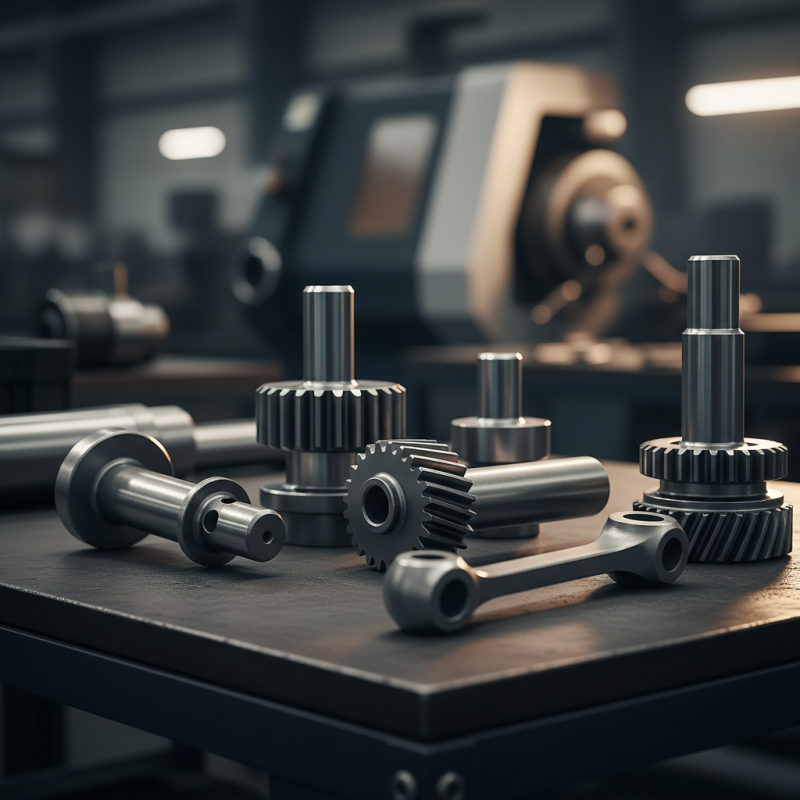
The precision cold forging industry is growing globally. This sector is vital for producing high-quality components in various applications. Industries such as Automotive, aerospace, and machinery rely heavily on cold forged parts. Strength and precision are critical. These parts must meet stringent standards and specifications.
Market trends indicate increasing demand for lightweight and durable materials. Cold forged parts offer several advantages, including enhanced structural integrity. The ability to create complex shapes with minimal waste makes cold forging an attractive process. However, not every manufacturer can ensure high quality. Companies need to invest in technology and skilled labor to maintain competitive advantages.
Challenges in the industry remain. Some firms struggle to adapt to new technologies. Others face issues with supply chain disruptions. Finding reliable suppliers for raw materials is increasingly difficult. Precision cold forging requires consistency in quality. It’s essential to balance cost and quality for long-term success. Data on market performance can be inconsistent, leading to confusion for buyers.
Precision cold forging is an essential process in manufacturing high-quality components. The materials used directly impact the end product's performance and durability. Commonly utilized materials include steel, aluminum, and titanium. These materials are favored for their strength-to-weight ratio and corrosion resistance. According to industry reports, the demand for precision cold-forged parts is projected to grow by 5.6% annually through 2025. This trend underscores the importance of selecting superior raw materials for production.
When choosing materials, consider their mechanical properties and the specific requirements of the application. For instance, high-carbon steels are suitable for demanding environments, while aluminum alloys offer excellent machinability. These choices can significantly influence the forging process and the final product's longevity. It's worth noting that while precision cold forging creates components with reduced scrap rates, improper material selection can lead to defects. Take time to evaluate how the material interacts with your forging processes.
**Tip:** Always conduct thorough materials testing. This will minimize risks associated with material incompatibility.
Additionally, it's vital to stay updated on advancements in material science. New composites might offer enhanced performance. However, ensure that these innovations align with industry standards and regulations. Keeping abreast of these changes can lead to better decision-making and improved product quality.
In the rapidly evolving world of precision cold forgings, global buyers are increasingly searching for high-quality solutions. These manufacturers play a crucial role in delivering exceptional products, thanks to their expertise and technology. The precision cold forging process results in parts with excellent surface finishes and tight tolerances, especially for complex shapes.
Leading manufacturers focus on innovation to enhance their production capabilities. They leverage advanced techniques and materials for better durability and performance. However, not all manufacturers maintain the same level of quality. Some may cut corners to reduce costs, which raises questions about reliability. Buyers must carefully evaluate potential suppliers to ensure they meet stringent standards.
The importance of quality in cold-forged parts cannot be overstated. Precision cold forgings are vital in industries like automotive and aerospace. They offer superior strength compared to traditional methods. Yet, buyers should remain vigilant about the potential pitfalls in sourcing. Other cold forgings or cold-forged parts may also deliver varying levels of quality. Conducting thorough research is essential to find the right partners in this competitive market.
Cold forged products are essential in various industries. They require strict adherence to quality standards. The International Organization for Standardization (ISO) has set numerous guidelines specifically for cold forging. For instance, ISO 9001 emphasizes quality management systems in manufacturing processes. Buyers must seek suppliers with certifications to ensure reliability and solid practices.
Many companies use Precision Hot Forgings to enhance component durability. A report from MarketsandMarkets indicates that the cold forging market could reach over $45 billion by 2025. This growth highlights the increasing demand for precise, high-quality products. Potential buyers should research prospective manufacturers thoroughly.
**Tip:** Always verify the manufacturer’s certification and production practices.
Understanding the unique characteristics of cold forging is crucial. The process creates denser grains in metals, which leads to increased strength and endurance. However, some manufacturers might cut corners. Buyers should be cautious of suppliers that lack transparency in their production methods.
**Tip:** Request detailed technical specifications and traceability reports on the materials used.
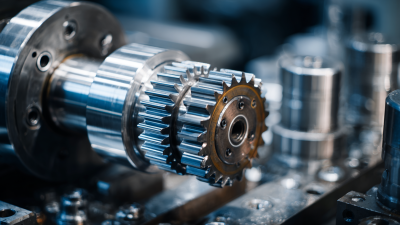
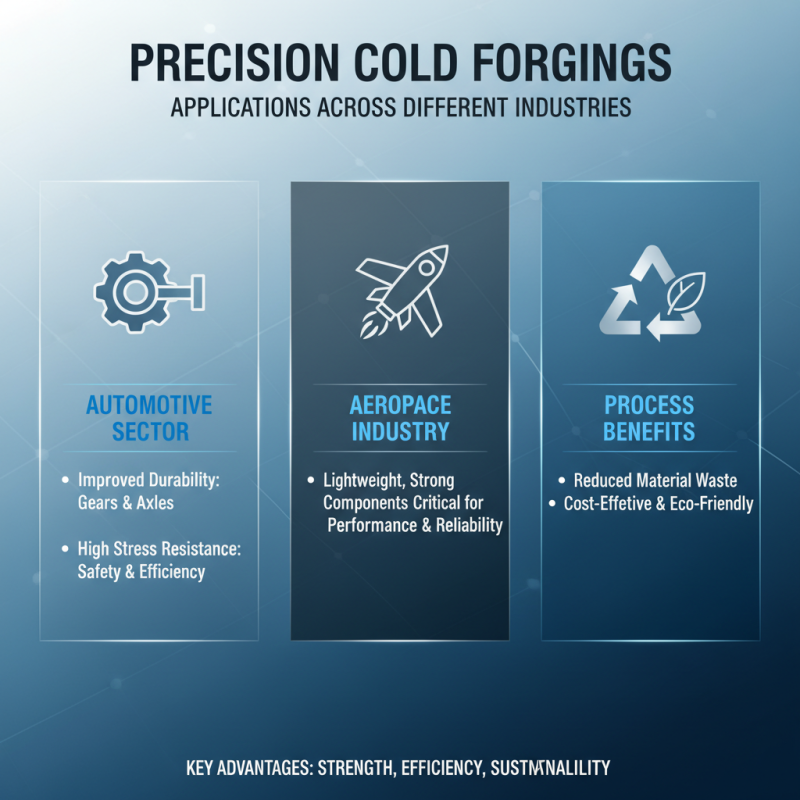
Precision cold forgings play an essential role in various industries, from automotive to aerospace. In the automotive sector, these forgings improve the durability of components, such as gears and axles. Their ability to withstand high stress is vital for vehicle safety and efficiency. The process also helps reduce material waste, making it both cost-effective and environmentally friendly.
In the aerospace industry, precision cold forgings are crucial for lightweight components. They improve fuel efficiency by reducing weight without sacrificing strength. Aircraft components, such as valve bodies and brackets, benefit greatly from this method. The challenge lies in maintaining precise tolerances, which can affect performance. Overcoming these challenges requires specialized knowledge and experience.
The medical field also utilizes precision cold forgings. Surgical tools and implants require high reliability. Any failure could lead to serious consequences. Therefore, the quality of these components must meet stringent standards. Continuous improvement in techniques and materials is necessary to meet industry demands. This ongoing evolution reflects the need for expertise in material science and engineering practices.
Precision Cold forgings have seen remarkable advancements in recent years. Innovations in tool design and material selection have significantly improved the efficiency of the forging process. Manufacturers now utilize advanced software simulations to minimize waste and enhance product quality. This change leads to increased precision in dimensions and better surface finishes.
Emerging trends focus on sustainability in cold forgings. A strong emphasis is placed on reducing energy consumption during production. Some companies are exploring eco-friendly materials that meet both performance and environmental standards. However, the challenge remains in balancing performance with ecological impact. Continuous assessment of materials is necessary.
Technological integration also plays a crucial role. The implementation of Industry 4.0 concepts helps track and optimize the cold forging process. Data analytics provide insights into production efficiency and quality control. Yet, companies must stay vigilant about cyber risks in this digital transformation. Each step forward also raises new questions about best practices and potential pitfalls.
Sourcing high-quality forged parts presents several challenges for global buyers. The precision cold forging industry is known for its complexities. According to a recent industry report, up to 40% of buyers express concerns over inconsistent quality. Variations in material properties can lead to significant performance issues in final products.
Quality control remains a critical pain point. Many suppliers lack standardized procedures to ensure uniformity. Without reliable testing protocols, buyers may receive parts that do not meet specifications. The American Society for Testing and Materials (ASTM) emphasizes the need for rigorous testing methods to mitigate these risks. Buyers often find themselves questioning the reliability of their sources, leading to potential delays and increased costs.
Cultural and geographical differences also add to the complexity of forging procurement. Language barriers and differing standards can result in miscommunications. Buyers may struggle to convey precise requirements, which further complicates the relationship with suppliers. In a competitive global market, these factors can impede the smooth procurement of high-quality forged parts. Some buyers may reflect on their sourcing strategies, realizing that establishing robust relationships with trusted suppliers is vital.
| Forged Part Type | Material | Applications | Quality Standards | Challenges in Sourcing |
|---|---|---|---|---|
| Connecting Rods | Alloy Steel | Automotive Engines | ISO 9001 | Supplier Reliability |
| Gear Shafts | Carbon Steel | Industrial Machinery | ASTM A108 | Material Consistency |
| Bushings | Brass | Electrical Components | ISO 14001 | Lead Times |
| Flanges | Stainless Steel | Piping Systems | ASME B16.5 | Quality Assurance |
| Crankshafts | Forged Steel | Heavy Machinery | ISO/TS 16949 | Cost Competitiveness |
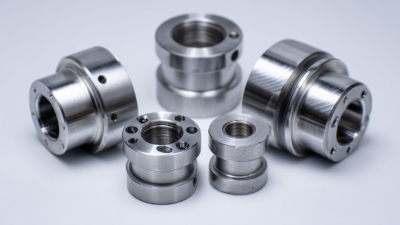
Cold-forged and cold-extruded bushings represent critical advancements in modern manufacturing, particularly in machinery and vehicle systems. These industrial bushings play a vital role in supporting and reducing friction among mechanical components, which is essential for enhancing the longevity and efficiency of various mechanical systems. By utilizing advanced cold-forming technologies, these bushings are engineered to deliver exceptional wear resistance, durability, and tolerance. This results in a robust solution that meets the rigorous demands of high-performance industries.
The applications of cold-forged and cold-extruded bushings extend across various sectors, including suspension systems, drive shafts, and bearings. Their capacity to perform reliably in extreme conditions makes them ideal for use in environments where reliability and performance are paramount. The unique properties of these bushings not only improve the efficiency of mechanical systems but also contribute to reduced maintenance needs, ultimately driving down operational costs over time. As industries continue to evolve, the adoption of such advanced components is essential for maintaining competitive performance and operational excellence.
: Common materials include steel, aluminum, and titanium. They are chosen for strength-to-weight ratio and corrosion resistance.
Proper material selection affects the product's performance and longevity. Poor choices can lead to defects.
Conduct thorough materials testing. This minimizes risks related to material incompatibility during the forging process.
Manufacturers should monitor advancements in material science and new composites for enhanced performance.
No, some manufacturers may compromise quality to cut costs. It's essential to evaluate suppliers carefully.
These parts offer superior strength and excellent surface finishes, making them crucial in automotive and aerospace sectors.
Using improper materials can result in product defects and reduced longevity of the final components.
Conduct thorough research on potential suppliers and check their adherence to quality standards.
The demand for precision cold-forged parts is projected to grow by 5.6% annually through 2025.
Aluminum alloys offer excellent machinability, making them suitable for specific applications, but evaluate their performance needs carefully.
The article "Top Precision Cold Forgings for Global Buyers Seeking Quality" provides a comprehensive overview of the precision cold forging industry, highlighting its market dynamics and the key materials utilized in manufacturing processes. It emphasizes the critical role of precision cold forgings across a variety of sectors, such as automotive and aerospace, where high-quality forged components are essential.
Furthermore, the discussion includes insights into leading manufacturers, quality standards, and the latest trends and innovations shaping the industry. Despite the advantages of precision cold forging, buyers face challenges in sourcing high-quality products, which necessitates a thorough understanding of industry standards and supplier capabilities. Overall, this piece serves as a valuable resource for global buyers looking to navigate the complexities of sourcing precision cold forgings.