Contact us
Leave Your Message
0%

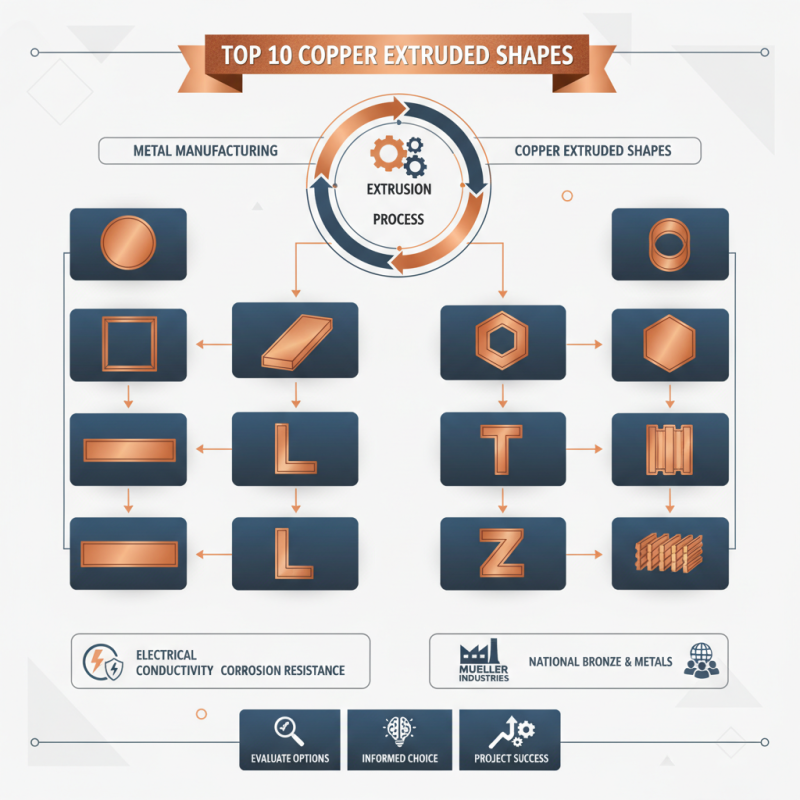
When it comes to metal manufacturing, Copper Extruded Shapes really play a key role. You've probably seen these shapes everywhere — from bars and rods to tubes. Since they're so versatile, they’re pretty much essential across a bunch of industries, whether it's construction, Electronics, or even something else. If you’re into buying this stuff on a larger scale, it’s definitely worth getting familiar with these shapes so you can make smarter choices.

Knowing what makes Copper Extruded Shapes special is super important. For starters, they’re great conductors of electricity and resistant to rust and corrosion, which is a big plus. Companies like Mueller Industries and National Bronze & Metals are some of the main players out there. They've got the expertise to make sure you’re getting top-quality products.

That said, navigating this market can be kinda tricky because every manufacturer seems to have their own standards and specs. It’s a good idea to compare your options carefully — taking the time to evaluate what each supplier offers will really pay off. Picking the right Copper Extruded Shapes can totally influence how well your project turns out. So, a bit of careful research and a discerning eye are key if you want to succeed in this competitive space.
Top 10 Copper Extruded Shapes for Global Buyers to Know?

Top 10 Copper Extruded Shapes: An Overview of Global Market Trends

Copper extruded shapes play a significant role in various industries. As electric vehicles and renewable energy equipment gain traction, the demand for copper continues to rise. According to recent market analysis, global copper demand is projected to reach 28 million metric tons by 2025. This surge is driven by the transition towards electrification and the need for efficient energy storage solutions.

Among the top shapes, copper rods and wires are crucial for electrical applications. These forms represent approximately 40% of the overall copper usage in the electrical sector. Furthermore, extruded copper tubes are essential in HVAC systems and plumbing, accounting for nearly 30% of the copper market share. Industry reports indicate that advancements in manufacturing processes have led to improved qualities in these extruded shapes, enhancing their reliability and performance.

The landscape of the copper extrusion market is evolving. Increased competition and fluctuations in raw material prices pose challenges. Some manufacturers are struggling to maintain product consistency. There is a growing need for companies to adapt to these trends and invest in sustainable practices. Addressing these issues is pivotal for businesses aiming to thrive in the global market.

Key Applications of Copper Extruded Shapes in Various Industries

Top 10 Copper Extruded Shapes for Global Buyers to Know?

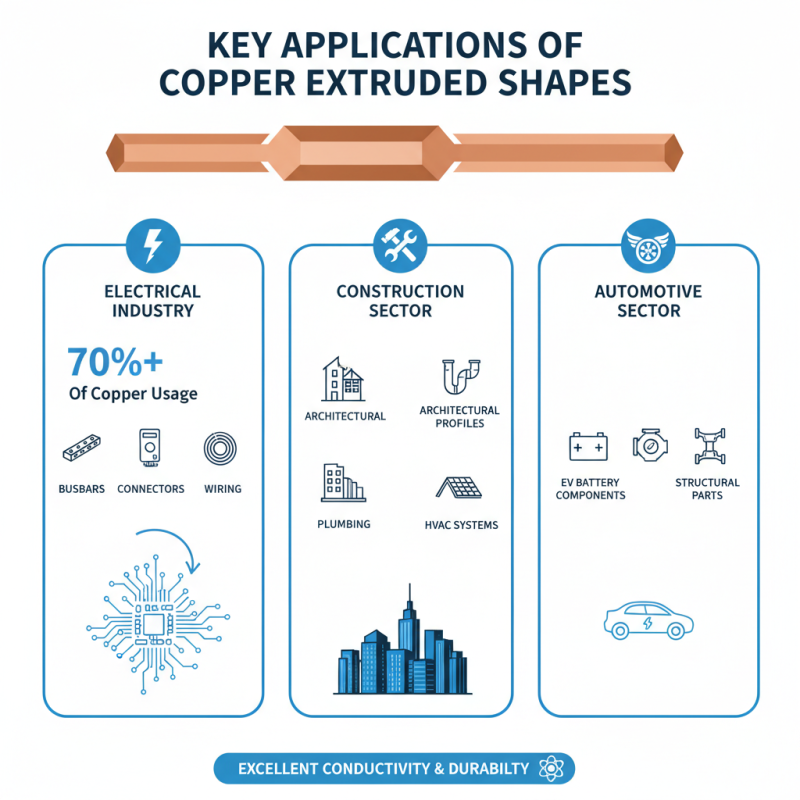
Copper extruded shapes are essential in many industries. Their applications range from electrical to construction and automotive sectors. For instance, the electrical industry heavily relies on copper’s excellent conductivity. According to industry reports, over 70% of copper usage is in electrical applications. This includes busbars, connectors, and wiring.

In construction, copper extruded shapes are used for roofing and plumbing. They resist corrosion and provide longevity. The global copper market in construction is projected to reach USD 23 billion by 2026. However, the recycling rate of copper remains a concern. While the demand for new copper rises, many extruded shapes come from recycled materials. This shift indicates a need for sustainable practices in the industry.

The automotive sector also uses copper components. Copper is integral in electric vehicles, enhancing battery performance. Reports indicate that the average electric vehicle contains about 83 kg of copper. This figure reflects the growing trend towards electrification. Still, challenges persist. Industry players must address supply chain vulnerabilities and price volatility.

Material Properties of Copper Affecting Extrusion Techniques and Shapes

Copper's unique material properties significantly influence its extrusion techniques and shapes. Copper has excellent malleability, allowing it to be shaped without breaking. This property makes it a preferred material for many extruded shapes. The thermal and electrical conductivity of copper further adds to its value, making it ideal for various applications. However, it is crucial to consider the alloy composition. Different alloys can affect the extrusion process. Not all copper alloys are equal; some may require higher temperatures or different speeds during extrusion.

In practice, achieving optimal Copper Extruded Shapes can be challenging. Manufacturers must balance temperature, speed, and pressure to avoid defects. If the extrusion temperature is too low, the copper may not flow properly. If too high, it may oxidize more quickly. Each factor plays a vital role in determining the final quality of the shapes produced. Understanding these intricacies can lead to a more efficient process.

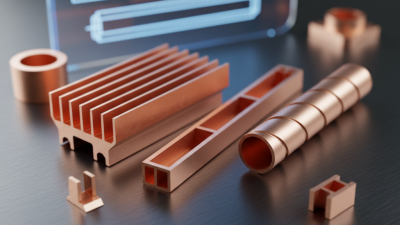
Additionally, different shapes can have distinct applications. Common forms include rods, tubes, and profiles. Each shape can serve specific industries, from electronics to plumbing. Yet, some shapes may pose limitations in terms of mechanical strength. It is essential to evaluate the requirements of the final application to select the best Copper Extruded Shapes. Variations in the extrusion process can lead to unforeseen issues, so constant monitoring is necessary.

Global Demand Statistics for Copper Extruded Products in 2023

The global demand for copper extruded products is witnessing a remarkable surge in 2023. This trend is largely attributed to the growing need for sustainable materials in various industries. As more companies emphasize eco-friendliness, copper's recyclability makes it a preferred choice. Statistics show a significant increase in demand, especially in construction and electrical sectors. This shift indicates a strong market trajectory for copper extruded shapes.

Tips for buyers include understanding the specific requirements of their projects. Know the various extruded shapes available, such as bars, rods, and profiles. Each has unique applications that can benefit different industries. Additionally, research regional market trends. Local demand can vary, impacting pricing and availability. Keep an eye on production processes too. Quality control is crucial in maintaining the integrity of copper products, ensuring they meet necessary standards.

Buyers should also reflect on supplier reliability. A stable supply chain is vital for project timelines. Prioritize suppliers who demonstrate transparency in their practices. This not only fosters trust but also enhances the overall procurement experience. Lastly, staying updated with copper market fluctuations can help in making informed purchasing decisions. Adjusting strategies based on market changes can lead to better opportunities and cost savings.

Emerging Technologies in Copper Extrusion: Innovations and Impacts

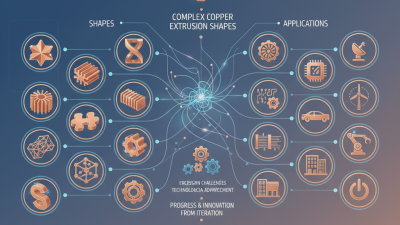
Emerging technologies are reshaping the landscape of copper extrusion. Innovations in processing techniques have enhanced the production of Complex Copper Extrusion Shapes, which are increasingly sought after by various industries. A recent report by the International Copper Association highlights a 12% growth rate in the copper extrusion market projected through 2025. This growth is driven by advancements in automation and digital tools, making it easier to achieve complex geometries and tighter tolerances.

3D printing and CNC machining have also impacted the copper extrusion sector. These technologies allow manufacturers to explore unique designs that were once difficult to achieve. For instance, the integration of AI and machine learning in extrusion processes can optimize production schedules and reduce waste. However, adapting to these changes requires significant investment and skilled labor, which not all companies can afford.

Tips: Explore partnerships with technology providers to access the latest innovations. Consider investing in employee training programs to enhance skills in advanced manufacturing techniques. Keep up with industry trends through journals and conferences to remain competitive. Understanding your limitations and resource allocation is crucial when embracing these emerging technologies in copper extrusion. The landscape is rapidly changing, and staying informed is essential for success.

Major Players in the Global Copper Extrusion Market: A Competitive Analysis

The global copper extrusion market is dynamic and competitive. Recent data indicates that the market is projected to grow at a compound annual growth rate (CAGR) of 4.5% from 2023 to 2028, driven by rising demand in various industries. Key players are focusing on innovative extrusion techniques, including Precision Hot Forged Shapes, which enhance material quality and application versatility.

Market analysis shows that several firms dominate the landscape, leveraging advanced technologies to streamline production. The implementation of automation has proven critical. Automated processes reduce human errors and increase efficiency. However, companies often face challenges in maintaining quality while scaling up production. Sustainable practices are gaining attention as they align with global environmental priorities.

Tips: Consider investing in suppliers that emphasize sustainability in their operations. This may help ensure long-term partnerships that benefit both parties. Additionally, diversifying your material sources can mitigate risks associated with supply chain disruptions. Understanding market fluctuations can lead to better purchasing decisions and inventory management. Continuous learning about new technologies, like Precision Hot Forged Shapes, is vital for staying competitive.

Sustainability and Recycling Trends in the Copper Extrusion Industry

Top 10 Copper Extruded Shapes for Global Buyers to Know?

The copper extrusion industry is experiencing significant changes driven by sustainability and recycling. As global trends shift towards environmentally friendly practices, many manufacturers are reevaluating their processes. Sustainable practices are not merely a trend; they offer a pathway to reduce waste and conserve resources. In this changing landscape, the focus is on recycling copper materials, which can lead to lower energy consumption and reduced emissions.

Recycling copper is vital due to its high demand in various applications. The capability to recycle copper more efficiently can pave the way for new innovations in copper extruded shapes. Heavy Duty Hot Forged Shapes, for instance, play a crucial role in industries like construction and electronics. These shapes, when produced sustainably, can enhance products while minimizing environmental impacts. However, challenges exist, such as the need for improved technology and systems to ensure a higher recycling rate.

The industry faces a dual responsibility—meeting the market's demand and adhering to sustainable practices. As buyers become more conscientious, they lean towards suppliers who prioritize sustainability. This shift requires ongoing reflection on processes and methods. Manufacturers must adapt quickly and rethink their strategies to remain relevant in an evolving market. Weighing profit and responsibility is essential for long-term success in the copper extrusion industry.

Understanding the Advantages of Cold-Forged vs. Cold-Extruded Spline Output Shafts for High-Performance Applications

In high-performance applications, the choice between cold-forged and cold-extruded spline output shafts can significantly influence the efficiency and reliability of mechanical systems. Both processes involve shaping metal at low temperatures, enhancing the physical properties of the material while ensuring precise dimensions. Cold forging results in shafts that have superior strength and fatigue resistance, making them ideal for high-stress environments. The well-machined splines on these shafts enable seamless engagement with couplings or gears, facilitating effective torque transfer without faltering under high loads.

On the other hand, cold extrusion offers its own set of advantages, particularly in producing complex geometries and an improved surface finish. This method allows for tighter tolerances and a consistent quality that is crucial for intricate machinery where precision is key. The resulting shafts are not only durable but also capable of withstanding extensive operational demands, ensuring they perform reliably over extended periods. For applications that prioritize durability and high loading capacity, both cold-forged and cold-extruded spline output shafts present excellent options to enhance the longevity and efficiency of rotating component systems.

FAQS

: What are the main properties of copper that affect extrusion?

: Copper's malleability, conductivity, and alloy composition significantly influence its extrusion techniques.

Why are alloy compositions important in copper extrusion?

Different alloys can change the extrusion process, impacting temperature and speed requirements. Some alloys need higher temperatures.

What shapes are commonly extruded from copper?

Common shapes include rods, tubes, and profiles, each suitable for different industries like electronics and plumbing.

What challenges do manufacturers face during copper extrusion?

Balancing temperature, speed, and pressure is crucial. If the temperature is too low, copper may not flow correctly.

How is the global demand for copper extruded products changing in 2023?

There is a notable increase in demand, driven by a push for sustainable materials in construction and electrical sectors.

What should buyers be aware of when purchasing copper products?

Understand specific project needs and research regional market trends. Quality control is essential for product integrity.

How do emerging technologies affect copper extrusion?

Innovations like 3D printing and automation enhance production capabilities but require investment and skilled labor.

What is the growth rate for the copper extrusion market?

A 12% growth rate through 2025 is projected, driven by technology advancements in production techniques.

What should companies consider when adopting new technologies?

Assess resource allocation and consider employee training to keep up with advanced manufacturing techniques.

How important is supplier reliability for buyers?

A stable supply chain is crucial for meeting project timelines. Transparency from suppliers fosters trust and improves experiences.

Conclusion

The article titled "Top 10 Copper Extruded Shapes for Global Buyers to Know" provides a comprehensive overview of the current trends and dynamics in the copper extrusion market. It highlights key applications of Copper Extruded Shapes across various industries, emphasizing their versatility and importance in manufacturing processes. The material properties of copper are examined, detailing how they influence extrusion techniques and the resulting shapes.

Additionally, the article presents global demand statistics for copper extruded products in 2023, showcasing the growing market potential. Emerging technologies in copper extrusion are discussed, illustrating innovations that are shaping the industry and their consequent impacts. A competitive analysis of major players in the market is also included, along with insights into sustainability and recycling trends that are becoming increasingly relevant in copper extrusion practices. Overall, this summary underscores the significance of Copper Extruded Shapes in the global market and their pivotal role in various sectors.

Charlotte

Charlotte

Charlotte is a dedicated marketing professional at Shaanxi Brilliant Machinery Co., Ltd., where she plays a pivotal role in communicating the company’s vision of becoming the global benchmark for manufacturing excellence, sustainability, and customer satisfaction in the mechanical parts industry.......
Previous Top 10 Benefits of Cold Forged Bearings for Global Buyers?