Picking the right Cnc Machined Milling Partscan really make or break your project’s success. I remember John Smith, a seasoned engineer over at Precision Components Ltd., once saying, “Choosing the right milling parts isn’t just about accuracy; it’s about really understanding what your project needs.” That sticks with me because it shows how important this decision is and that it’s not always straightforward.
When you’re making your choices, think about the materials, tolerances, and finishes that fit your specific application. Every project has its quirks, so it’s super important to dive into the technical specs of those CNC machined Milling Parts. Using quality parts can boost your efficiency and make your final product last longer. But, heads up: not all options out there are perfect for every purpose. You’ll need to sift through different suppliers and offerings to find what truly fits.
And honestly, mistakes happen—sometimes costly, too. Some companies just go for the cheapest parts without thinking about quality, and that’s a quick way to run into trouble. It’s always a good idea to learn from others’ experiences to guide your decisions. Making well-informed choices when sourcing your CNC Machined Milling Parts is key to getting the performance and reliability you’re aiming for in the end.
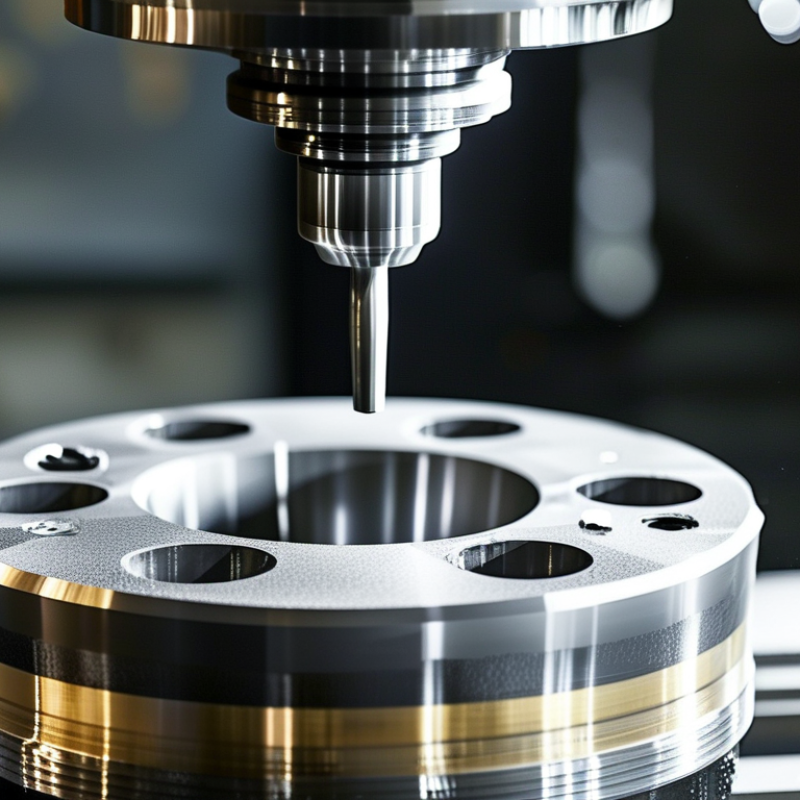
Understanding CNC Machining and Its Importance in Manufacturing
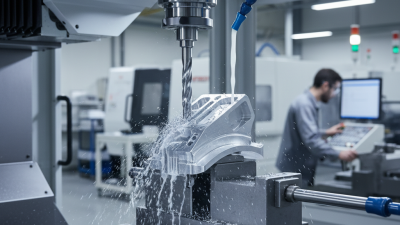
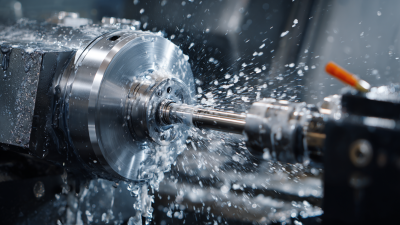
CNC machining has revolutionized the manufacturing industry. It combines precision, speed, and versatility. This process uses computer-controlled machines to produce intricate parts. Engineers find that this technology drastically reduces human error.
Understanding CNC machining is crucial for any project. Accurate specifications often determine the component's quality. For instance, a minor miscalculation in design can lead to poor fitting parts. This can affect overall functionality. Furthermore, material selection is equally important. Not all materials behave the same during machining. Some may warp or chip easily.
While CNC machines offer numerous advantages, they require skilled operators. Knowledge of various machining processes enhances efficiency and quality. A lack of expertise can result in delays and increased costs. Not every project will benefit from CNC machining. Therefore, assessing project requirements is vital.
Key Factors to Consider When Selecting CNC Machined Milling Parts
When selecting CNC machined milling parts, several key factors warrant consideration. The choice of material plays a crucial role. Different projects require specific materials for strength and durability. Aluminum, steel, and plastics are common options. Each has unique properties. For example, aluminum is lightweight but may not be as strong as steel. Understanding the demands of your project helps guide material selection.
Precision is another fundamental factor. CNC machining offers high accuracy, but tolerances should align with project requirements. A one-millimeter difference in parts can affect functionality. Inspecting the machining process is essential to ensure parts meet specifications. Additionally, considering the surface finish is vital, especially for CNC milling marine parts. A smoother finish can enhance durability in harsh environments, thus extending the product's lifespan.
Cost is always a factor in decision-making. Balancing quality with budget constraints can be tough. Sometimes, cheaper options compromise performance. Reflecting on your priorities will help in making better choices. Finally, don't overlook the supplier’s reputation. Reliable suppliers ensure quality and timely delivery. Communicating your project needs clearly can further improve the outcome.
Material Selection: Impact on Performance and Cost Efficiency
Selecting the right material for CNC machined milling parts is crucial. Material impacts performance and cost. Considerations include strength, weight, and corrosion resistance. For example, stainless steel offers durability, while aluminum is lightweight. Both choices have distinct advantages and disadvantages depending on your project's needs.
When working on CNC milling parts for marine applications, ensure the material resists saltwater corrosion. Marine-grade alloys maximize longevity in harsh conditions. Titanium is beneficial but can be costly. Evaluate whether the increased cost is justified by the performance benefits it provides.
Tips: Analyze your project's requirements carefully. Think about the environment where the part will be used. Don't overlook simpler materials for less demanding applications. Consider how the design may impact material choice. Re-visiting initial assumptions can yield cost-saving options without sacrificing quality.
Precision Tolerances: Ensuring Quality in CNC Machined Parts
In CNC milling, precision tolerances are crucial for achieving high-quality machined parts. When selecting CNC machined milling parts, understanding these tolerances helps ensure your project meets its requirements. Parts need to fit and function precisely, especially in industries like automotive and aerospace, where safety is paramount.
Tips for ensuring the right precision tolerances include clearly defining your specifications before placing an order. Each project has unique needs, and vague specifications can lead to subpar parts. Don't hesitate to discuss these details with your manufacturer. Ask about their capabilities and experience in delivering Cnc Milling Services that match your precision requirements.
It’s essential to request sample parts for critical applications. This can help identify any variations in tolerances that may occur during production. Additionally, regular quality checks should be part of the manufacturing process. Monitor your CNC machining provider’s quality control measures to ensure they consistently meet your standards. Small imperfections can have significant impacts down the line, so attention to detail is non-negotiable.
Evaluating Supplier Capabilities and Certifications
When selecting CNC machined milling parts, evaluating supplier capabilities is crucial. A reliable supplier should have a solid track record and relevant certifications. These certifications indicate the manufacturer adheres to industry standards. Look for ISO certifications or quality management systems in place. These factors contribute to the trustworthiness of the supplier.
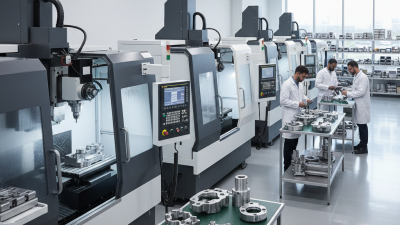
Assessing a supplier’s equipment is equally important. Modern CNC milling machines can create precise parts with high consistency. Check if the supplier invests in regular maintenance and upgrades. This demonstrates their commitment to quality. Talk to previous clients to gauge satisfaction levels. It provides insights into their reliability and service.
Additionally, consider the supplier’s responsiveness. Effective communication can streamline your project. If they delay in answering queries, it may indicate future issues. Balancing cost with quality is also a common challenge. A higher price doesn’t always guarantee superior parts. Sometimes, you might receive unsatisfactory results despite initial expectations. Careful scrutiny and informed decisions will lead to better outcomes in CNC milling projects.
Cost Considerations in CNC Machining Projects
Cost considerations play a vital role in CNC machining projects. Understanding the factors that influence the overall expenses is essential. Material choice impacts cost significantly. Some materials can be quite expensive, while others are more budget-friendly. Additionally, the complexity of the part affects machining time and, therefore, total costs. Simpler designs require less time, reducing labor expenses.
Another critical aspect is the quantity of parts needed. Bulk orders often lead to reduced unit costs. However, ordering too many can lead to excess inventory and waste. This balance is crucial for project efficiency. Moreover, machine setup time can vary, influencing costs. Efficient setup reduces waste and improves profitability.
It's important to consider all these factors holistically. The goal is not just to minimize expenses but to ensure quality parts. Poor-quality components may save money initially but can lead to larger issues down the road. Investing time in planning and design can pay off significantly. Mistakes in these stages often lead to higher costs later. An insightful approach is to review past projects and learn from them. Every decision can shape the project's financial outcome.
Case Studies: Successful Applications of CNC Machined Parts
CNC machined parts have revolutionized various industries. Many companies have successfully integrated these components into their projects, showcasing their versatility. One notable case study is in the aerospace sector. A manufacturer improved fuel efficiency by using precision CNC machined components. These lightweight parts reduced aircraft weight, enhancing performance.
Another example comes from the automotive industry. A startup focused on electric vehicles utilized CNC machining for critical battery housings. The precision ensured optimal fitting and safety. They faced challenges, including material choice and cost. Yet, the project ultimately resulted in a more efficient product.
It’s essential to weigh the pros and cons during early stages of the design process.
Tips for selecting CNC machined parts include understanding material properties and tolerances. Consider the application requirements to ensure compatibility. Keep communication open with your machining partner for the best results. Patience during the selection process often pays off, leading to improved project outcomes.
“Exploring Precision and Innovation: The Growing Market for CNC Turning Parts in Medical Device Manufacturing”
As the medical device manufacturing landscape evolves, the demand for precision-engineered components continues to rise. CNC turning parts play a pivotal role in this sector, ensuring that various medical devices, from surgical instruments to diagnostic machines, function effectively and safely. These components are crafted with an acute focus on healthcare requirements, highlighting the importance of precision in delivering reliable medical solutions.
High precision CNC turning processes enable manufacturers to create parts that meet stringent quality standards essential for the healthcare industry. The accuracy achieved through CNC technology not only enhances the functionality of these medical devices but also contributes significantly to patient safety. Whether it involves creating intricate surgical instruments or essential monitoring devices, each part must exhibit unparalleled reliability and performance.
In an era where innovation and precision are paramount, the growing market for CNC turning parts reflects the industry's commitment to enhancing medical procedures. The evolution of manufacturing techniques is making it possible to produce sophisticated devices that address complex healthcare needs. As medical technology continues to advance, CNC turning will remain at the forefront, delivering the high-quality components necessary to support medical professionals and improve patient outcomes.
FAQS
: Precision tolerances ensure that parts fit and function correctly, especially in safety-sensitive industries.
Be specific about dimensions, materials, and functionality before placing an order.
Discuss details with your manufacturer to clarify and refine your requirements.
Sample parts help identify variations in tolerances that may occur during production.
Regular quality checks should be part of the manufacturing process to maintain standards.
Material choice, part complexity, quantity, and machine setup time all impact overall expenses.
Bulk orders usually lower unit costs but can lead to excess inventory and potential waste.
Proper planning can prevent costly mistakes and ensure high-quality parts down the line.
Mistakes in the planning and design stages often result in unexpected expenses during production.
Reviewing previous projects can provide valuable insights into what worked and what didn’t.
Conclusion
CNC machined milling parts play a crucial role in modern manufacturing, offering precision and efficiency across various industries. Understanding CNC machining and its importance helps businesses select the right parts for their specific project needs. Key factors to consider include material selection, which significantly impacts both performance and cost efficiency, as well as the precision tolerances that ensure high-quality outputs.
Evaluating supplier capabilities and certifications is vital for sourcing reliable CNC machined milling parts, while cost considerations must be balanced against quality and performance requirements. By examining case studies of successful applications, organizations can gain insights into best practices and strategies to optimize their CNC machining projects, ensuring they achieve their manufacturing goals effectively.